
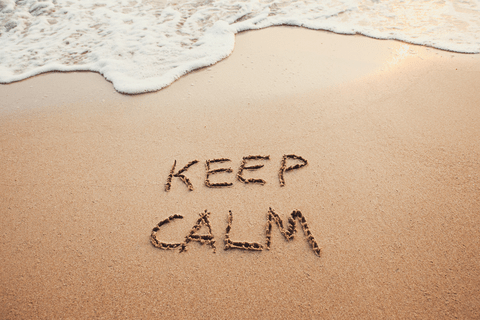
Calm is Something You Create
In a world that can often be chaotic, calm can feel out of reach. We often rush through this fast-paced world feeling overwhelmed by life’s pressures. The pressures of family, work, and obligations we commit to can have us moving through the day without pause.
Calm, just saying the word helps alter your state of mind.
Research in psychology consistently shows that individuals who cultivate calmness experience lower stress levels, improved mental clarity, and greater overall happiness.
Many of us long for a more peaceful rhythm. How can we gather what we need to achieve a level of calm that puts us at ease so we can move forward?
Achieving calm does not have to be difficult. Small intentional daily habits can gently shift our perspective and change our entire day.
Here are 6 daily habits that can help you feel calmer, grounded, and at peace.
6 Daily Habits for Calm
- Start Your Morning Without Your Telephone
Start your morning with a moment of stillness. Begin by being still, praying, or meditating instead of reaching for your phone. I personally lie in bed and say thank you before my day begins. When we begin the day by scrolling through our phones, we allow our minds to be contaminated with notifications, news, texts, and emails before our day actually begins. Having our minds filled with the busyness of the day at the start of the day leads to rushed and chaotic mornings. Instead of focusing on having a calm morning, we are answering emails and texts that may be disruptive to our thought life. You need to protect your mental space.
Putting your phone down and opting for a quieter morning can actually boost your mood. Ushering in the beginning of a calm day instead of a harried one. When you begin your day like this, it protects you from overwhelm. This can actually set the tone for your entire day. You get to choose whether your day begins calm or chaotic. Choose the former.
- Practice Mindfulness
Mindfulness is the practice of being fully present and aware of your current experience, without overreacting or getting lost in thoughts. Practicing mindfulness allows your mind to slow down. When you do this at the start of your day, it permits you to begin your day calmly, but you can practice mindfulness anytime.
There are many ways you can practice mindfulness.
- Create a moment of stillness. Sitting quietly while you gather your thoughts allows you to calibrate your thoughts in a way that sets the tone for a calm and quiet start.
- Practice Deep Breathing. Deep Breathing can help reduce stress both in the morning and at night. How to practice. Find a quiet, comfortable spot where you will not be disturbed. Loosen tight clothing and sit or lie in a relaxed position. Focus on slow, gentle breaths, allowing the belly to rise more than the chest. Start with 2-5 minutes daily and gradually increase as you become more comfortable. This is one way, but there are many types of deep breathing exercises.
By incorporating deep breathing into your daily routine, you can enhance relaxation, reduce stress, and support both mental and physical health.
- Create mindful pauses during the day. Sometimes, when we are in chaotic moments, the best thing we can do is pause before moving forward. Mindful pauses allow our minds to rest, allowing us to breathe and gather our thoughts. Once we pause, we can move forward with clarity.
Practicing mindfulness allows calm to grow in moments of stillness.
- Practice Daily Gratitude
When your heart is tired, your mind is busy, your to-do list is longer than the hours you actually have to complete it, and life feels heavy and redundant, gratitude can shift your perspective. It can turn bitterness and anger into warmth and invitation. It can shift your reluctance to approach a new day into a heart filled with gratefulness as dawn approaches.
Practicing gratitude shifts your focus from what you lack to an appreciation for what you have. It allows you to count your blessings, no matter how small.
Daily gratitude can do the following:
- Give you more peace.
- Increase your joy.
- Heighten awareness of blessings.
- Create greater emotional resilience.
- Improve Sleep.
- Create better relationships.
- Reduce Stress.
- Allows less overwhelm.
- Deeper sense of contentment.
- Create a softened, open heart.
When you are full of gratitude, you can come from a place of calm because you recognize that things could be worse. Gratitude softens what feels heavy.
Write three things you are grateful for each day. Download the free 30-Day Gratitude Journal to help you on your journey.
To learn more about ways to incorporate gratitude in your daily life, read the post 10 Life-Changing Benefits of Daily Gratitude at www.contentmentchronicles.com .
- Set Gentle Boundaries
When you live with clear boundaries, you live a life filled with peace.
Boundaries are a form of self-respect. Without them, there is chaos, resentment, and burnout. These lead to a disruptive life filled with anxiety. Many anxieties develop because we fail to set clear boundaries.
With boundaries, there is clarity, calm, and emotional safety. Living within these boundaries you create is crucial to lowering stress and increasing satisfaction in life, particularly with the responsibilities and tasks in your personal life and work.
Peace is protected by what you allow and what you decline. And isn’t peace the ultimate goal?
5 Gentle Ways to Set Boundaries
- Start with awareness.
- Start with small boundaries and build confidence.
- Use calm and clear communication.
- Give yourself permission to choose peace and have limits.
- Replace guilt with grounded truth.
For a clearer path on how to set boundaries, read the post How to Protect Your Energy and Set Healthy Boundaries at www.contentmentchronicles.com .
- Engage in Physical Activity
Physical activity has many immediate and long-term benefits. Moving your body supports emotional balance and releases tension. It supports weight loss, strengthens bones and muscles, supports cardiovascular health, and improves high blood pressure and diabetes. Physical activity helps you immediately feel better, function better, and sleep better. It is not only great for your physical health, but it also strengthens cognitive function, helping with maintaining memory and learning.
When you feel better, you are calmer and more peaceful.
Moving your body does not have to entail an hour-long workout. Even moving the body gently counts toward engaging in physical activity. Whether you choose to move in the morning or in the evening, as long as you move, that is what is crucial.
Here are some forms of activity in which you can engage.
- Walking
- Stretching
- Light exercise
- Strength training
- Running or jogging
- Pilates
Movement helps release what your mind is holding.
- Establish a Routine
You need to create both a calm morning and a calm evening routine.
Creating a calm morning routine helps set the tone for your day. You get to choose whether you begin the day in chaos or calm. Begin your day in stillness, being mindful of your thoughts and actions.
Creating a calm evening routine helps your mind unwind and prepares you for restful sleep. When your mind will not shut off from the day’s activities, there are some things you can do to help you relax and unwind.
- Limit screen time.
- Journal.
- Write in a gratitude journal.
- Read something peaceful.
- Take a relaxing bath.
The way you end your day matters just as much as how you begin it.
Reflection
I would like to take this time to tell you to pause. Take a deep breath. Ask yourself the following questions.
- Which habit do I need most right now?
- Where in my day do I feel the most overwhelmed?
- What is one small change I can make today?
How to Make These Habits Stick
It is said that you can stick to a new habit once you have performed it for 21 days. The key to beginning a new habit is to start small. Do not try to change everything overnight. Start with just one habit. After performing that consistently, begin to add additional habits to your repertoire.
Another key to sticking to a habit is to keep it simple. Overcomplicating your task will increase the likelihood that you will not do it.
Be consistent, not perfect. If you commit to doing the same task in your daily routine, it is more likely that you will stick to it.
And last but certainly not least, give yourself grace. You are not perfect, and that is ok. If you miss one morning or night of your daily routine, it is not the end of the world; just continue the next day.
Calm is Built in Small Moments
You do not need a perfect life to feel calm; you need intentional moments. Moments that help you build healthy habits that support your quest for transformation. Practicing mindfulness, starting your day without your phone, setting boundaries, engaging in physical activity, and establishing routines can produce a calm that establishes peace. And peace is the ultimate goal.
Choose one habit.
Practice it gently.
Let it grow into something that supports peace.
If you are ready to begin cultivating it more intentionally:
• Download the 30-Day Gratitude Journal and start tending your heart daily.
• Join our email community for encouragement, tools, and gentle reminders to live intentionally.
• Share this post with someone who needs calm.
We are building something beautiful here; a space where peace is practiced, gratitude is honored, and contentment is possible.
And I’m so grateful you’re on this journey with me.
Reflect. Give Thanks. Rejoice.